07/17/2026
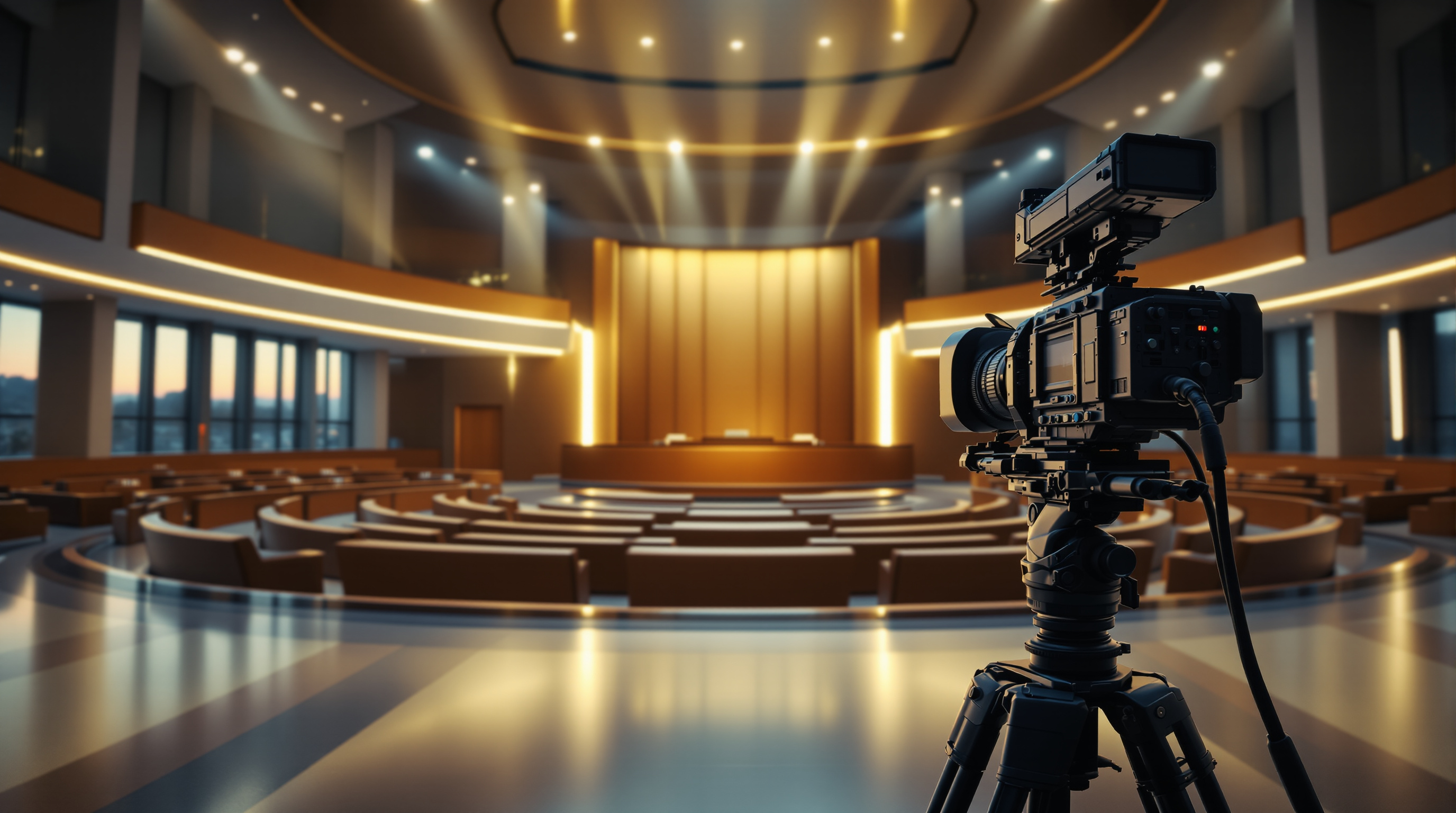
Fire, police, parks, planning - each runs its own YouTube. Residents cannot find any of it. One branded city streaming app puts it in one place.
Walk through the digital footprint of a mid-sized American city and you find something a little sad. The fire department has a YouTube channel with a couple hundred subscribers and videos on smoke detector battery changes, wildfire evacuation checklists, holiday cooking safety. The police department has its own YouTube channel with a different couple hundred subscribers and videos on scam alerts, neighborhood watch tips, community forum recordings. Parks and Rec has a channel. Planning has a channel. The mayor office has a channel. The library uploads storytime videos to Facebook. Public works uploads snowplow routes to a page nobody visits between snowstorms.
Each of these channels was, at some point, somebody good idea. A single staffer thought "we should make videos, and this is where you put videos." And they were right, then. But add them up and the city has produced a video library - hundreds of hours in some places, thousands in others - that no resident can find, subscribe to, or watch in one sitting. It is a public information problem disguised as a content strategy.
The scattered channel is the default, and it is the wrong default
Nobody sat down and decided the city video library should live on six platforms. It just happened, one department at a time. Fire got video-capable phones a decade ago and needed somewhere to post drills. Police started PSAs when the community relations job got funded. Public works added their first video the first time a resident yelled about garbage schedules on Nextdoor.
Each individual choice made sense. The aggregate is a mess.
Here is what a curious resident actually experiences. They want to know when brush is picked up. They Google their city plus "brush pickup." They land on the city PDF newsletter from three years ago. They give up. Somewhere on YouTube - under a channel called "City of Whatever Public Works" with 47 subscribers - there is a two-minute explainer video that would have answered their question. They never find it. That video sits at 89 lifetime views, three of which are the guy who made it.
Meanwhile the person the video was made for called dispatch, which routed to a form, which routed to a callback queue. Everyone loses.
The residents who most need this content are not scrolling YouTube
The demographic that most benefits from municipal safety information - older residents, homebound residents, non-English speakers, families new to the area - is not the demographic that follows local YouTube channels. They are the demographic that turns on the TV.
There is a pattern that keeps showing up in every civic engagement study. Seniors watch broadcast and cable news. They know how to turn on the TV. They know how to browse a small menu of channels on the home screen. What they do not do is subscribe to seven different city departments on YouTube, hunt through the algorithm for a smoke detector video, or navigate a page of embedded video players on a slow county website.
If your fire prevention captain made a great video about kitchen fires and it lives at youtube.com/@CityFireDept - one channel among the thousands your grandmother Roku will never recommend her - you have not published it. You have hidden it.
One channel changes the math
The fix is not more content. It is one door.
A single municipal streaming channel - one app on Roku, one on Apple TV, one on phones - where every department publishes, changes what "publishing a video" means for a city. Now the fire department kitchen-fire video is not isolated. It sits next to the police department identity theft PSA, next to Parks and Rec tour of the new pool, next to the last council meeting archive. A resident who opens the app for one thing sees the others.
That is the piece nobody replicates on YouTube: adjacency. The library storytime video gets watched by more residents when it is on the same channel as the Little League livestream, because parents open the app for Little League and their kid watches storytime on Saturday. On six separate YouTube channels that never happens.
One channel also fixes institutional memory. On YouTube, videos sink. Anything more than six months old is functionally invisible unless somebody shares the link. On a curated municipal channel, evergreen content - the how-to-apply-for-a-permit video, the water conservation series, the annual budget explainer - lives in a Guides section forever, exactly where residents expect to find it.
The technical piece is smaller than it looks
The pushback on this is always the same: "we cannot build an app, we do not have an app team." Fair. Most cities do not.
But building a branded streaming channel in 2026 does not mean writing code. Platforms like Fluger let you spin up a Roku app, an iOS app, and a web player under your own city name - no Apple Developer account required, no Roku publishing dance, no code - in a couple of afternoons. Each department keeps making video the way they always have. The channel just aggregates it, organizes it, and makes it findable.
The Fluger differentiator that matters most to civic content: no automated ContentID muting. Public works records a snow-plow demo and the truck radio is playing a copyrighted song. On YouTube that audio track gets muted. On a branded channel it plays as recorded. Same for the marching band at the Fourth of July video from Parks and Rec, same for the pep band clip in the fire safety assembly recording. Cities do not want to pull audio because a distant algorithm noticed a two-second AC/DC clip.
Where to start
If you are the one person in city hall looking at this and thinking "I could actually do this" - start narrow. Pick two or three departments, not all seven. Fire plus police plus parks tends to be the right first bundle: high public interest, existing video output, minimal drama over editorial control.
Get those three onto a shared channel first. Add a Roku app so seniors can find it. Add a Live section for the next council meeting or town hall. Publish weekly. Announce it once on the utility bill insert everyone actually reads.
Six months later the other departments will ask to be added, because their staff will have watched the fire chief get invited to more school assemblies since the safety videos started showing up on TVs. That is how these things spread. Not from a directive, but from one visible win.
Cities do not need better video content. They already have thousands of hours of it. What they need is a place to put it that residents can actually find.
Fluger gives cities that place - a branded streaming app on Roku, phones, and web, under the city own name, ready for whatever your departments already film. Start a free 14-day trial at fluger.tv/registration.