07/10/2026
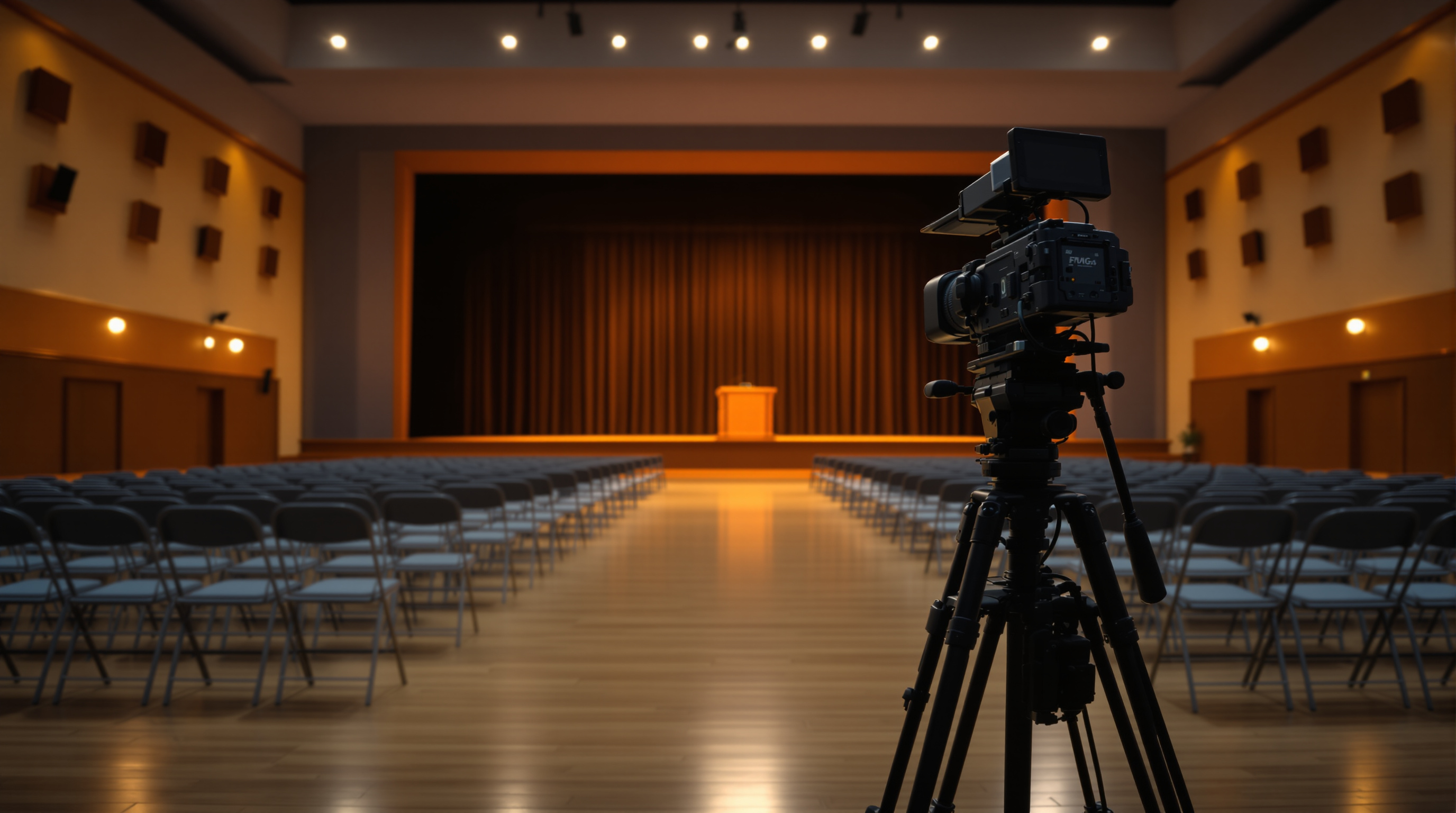
Facebook now auto-deletes Live videos after 30 days. Graduation is the school video families rewatch for decades - here is how to publish it as an archive that actually lasts.
Meta announced early last year that Facebook Live videos would auto-delete after 30 days. The change applies to everything - including the graduation ceremony you streamed to grandparents in three states.
Most school communications offices moved on from the announcement. It was one of those "we should probably do something about that" items that sat on a whiteboard until the tab got closed. Meanwhile the graduating class of 2026 already has stream links in their inboxes with a countdown clock they don't know about.
If you're the person who runs your district's video - whether that's the communications director, the AV coordinator, or the volunteer parent who somehow ended up doing this - the 30-day Facebook policy is the moment to stop treating graduation as a live event and start treating it as a permanent record.
The live audience isn't who this video is for
Here's the pattern that shows up in every school district that tracks viewership carefully.
The live audience for a graduation stream is real but small. You'll see a viewer spike as the ceremony starts, another when the salutatorian speaks, and one more during the diploma walk. Concurrent viewers might hit 800 or 1200 depending on class size. Then it drops.
The archived views are different. They start slow - a few dozen replays in the first week, mostly parents watching their kid walk the stage again. Then a strange pattern emerges. Views trickle in for years. A grandparent who missed the live watches it during a hospital stay. A cousin overseas catches up. The graduate themselves rewatches it before their college graduation. Then before their wedding. Then when their own kid graduates.
This is not a livestream. This is a family archive. And the container matters.
What actually happens to your graduation video
Track a typical school graduation stream from June to the following June and here's what you find.
Facebook Live: Gone. As of February 2025, Facebook automatically deletes Live videos after 30 days unless the school downloads them and re-uploads them as regular posts. Almost nobody does this. The video is gone before the yearbooks arrive.
YouTube unlisted: Still there in most cases, but the link died in an email inbox somewhere. Alumni cannot find it. The URL is a random 11-character slug that lives on the district's IT ticketing system.
YouTube public with music: Muted. Pomp and Circumstance is public domain, but the walk-in music, the school song arrangement, and the senior slideshow soundtrack usually are not. ContentID is not sentimental about ceremonies.
District website video player: Depends on whether the vendor is still under contract. Two years later, roughly half of these are 404s.
USB drive in the office: This is the actual archive at most schools. When a graduate calls in 2035 asking for a copy, the office assistant walks to a filing cabinet.
None of these are the fault of the school. They're the fault of the platforms. Every one of them was built for a different job than "preserve a family milestone for 30 years."
What a permanent school archive looks like
A district that treats graduation as an archive rather than a livestream does a few specific things.
They stream to their own destination, not to Facebook. Any RTMP-capable encoder can push to more than one place at once. Facebook Live is fine as a mirror for the grandparents who only use Facebook. It should not be the master copy.
They give the archive a stable home. This is where a branded school channel matters. A district app or a dedicated on-demand library keeps the video reachable by name - "Class of 2026 Graduation" - instead of by a URL nobody remembers. Alumni relations offices are the first to notice the difference. Class-year reunion emails become drastically easier to write when the graduation video is one click away.
They avoid platforms that mute the audio. This is where the branded-app path - running your own streaming channel under the school's name - beats a public YouTube upload. There is no ContentID pass on your own channel. The senior slideshow keeps its soundtrack. The band's rendition of the school song stays intact.
They plan for the 20-year request. The office assistant should not have to unearth a USB drive. Every graduating class should have a permanent archive URL that stays alive even when the vendor changes.
The 30-day countdown is happening right now
The blunt version: districts that treat graduation as a Facebook Live event are burning a piece of institutional memory that families care about more than almost anything else the school produces.
This isn't a big-budget problem. Most schools already have the ceremony recording. The gap is on the delivery side - the file is trapped inside a platform designed for casual scrolling instead of permanent record. The fix is a channel that stays under the district's name, keeps the audio intact, and outlives whatever platform-policy change gets announced next February.
For districts building the branded-channel path themselves, worth knowing: Fluger lets you spin up a Roku and iOS app under the school's own name - no Apple Developer account required - and there is no ContentID pass on the audio you publish. The 14-day free trial is at fluger.tv/registration if you want to see whether it fits.
If nothing else, download this year's graduation stream from Facebook before the end of the month. The 30-day clock is real, and it doesn't care that you meant to get to it later.