06/26/2026
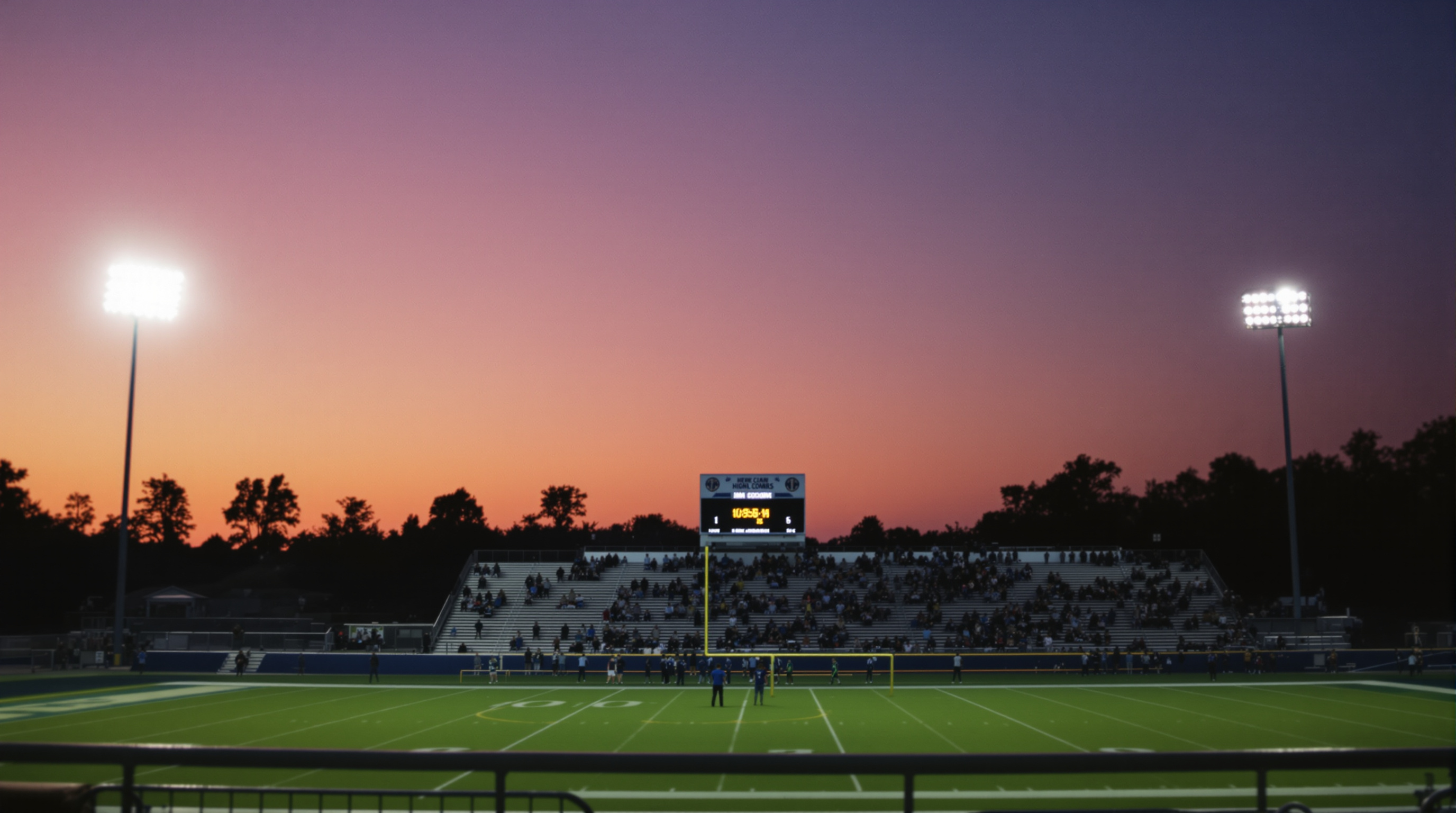
Schools build streaming apps for current students and parents and forget the audience most likely to open them every week. Here is how to actually reach alumni.
Most schools that build a streaming app think of it as a tool for current students and current parents. Game day. Concert night. Graduation. The audience you can see in the bleachers, plus the relatives who couldn't make it. That's a reasonable place to start, and it's also the smallest version of what the app can actually do.
The audience that will open your app week after week, year after year, isn't sitting in your school right now. They left ten, twenty, forty years ago. They still wear the colors. Their kids might be applying. They donate to the foundation. And almost no school sends them a link to the streaming channel.
If your district or school has a branded streaming app — or is thinking about building one — your alumni list is the highest-leverage audience you have. Here's why, and how to actually reach them.
Live Viewership Lies About Loyalty
The first instinct with any livestream is to measure concurrent viewers. Friday night football pulls 400. The musical pulls 120. Graduation pulls 900. Those are real numbers, and they're the numbers everyone reports.
They're also the wrong numbers for measuring whether your channel matters.
A graduating senior's grandmother in another state who watches the ceremony, and then never watches anything again, doesn't show up as a loyal audience. The 1987 alum who tunes into every home football game from across the country, watches the holiday concert, and pulls up the hall-of-fame induction ceremony three weeks after it airs — that's loyalty. That person is also overwhelmingly more likely to donate, to send their own kids to your school, to show up at homecoming, and to subscribe if you ever charge.
You probably aren't measuring that person at all. They might not even know your app exists.
The Lists You Already Have
Every school sits on top of several audience databases that nobody connects to the streaming channel. The advancement office has them. The athletic department has them. The PTO has them. Nobody has shared them with whoever runs the AV booth, which is usually who built the streaming app.
The lists, in rough order of who's most likely to actually open a school channel:
- Alumni database — managed by advancement or the foundation. Often segmented by graduating decade, major donor status, and geographic region. Almost always email-marketable.
- Parents of recent graduates — five years out, ten years out. Still emotionally connected. Their kids' last memories of the school happened on your stage and your field.
- Athletic booster club members — current and past. The "past" ones are gold; their kids stopped playing but they still care.
- Foundation donors at any level — even $25/year. These people opted in to caring about the school's future.
- Retired faculty and staff — small list, fierce loyalty. They want to see the kids and the programs they spent their careers on.
- Hall of fame inductees and their families — small, high-emotion list. Send them anything that mentions their year, their team, their decade.
These lists don't talk to each other inside the institution. They live in the advancement CRM, the booster spreadsheet, the foundation Mailchimp, and the retired-teachers Christmas card list someone keeps in a desk drawer. Pulling them into one outreach push is a coordination problem, not a technology one.
What Alumni Actually Want To Watch
If you just send the alumni list a generic "we built an app, download it" email, almost nothing will happen. Alumni don't open apps because apps exist. They open apps when there's something specific on them that's about their school, their era, or their people.
A few things that consistently get alumni clicking:
- Class reunion broadcasts — when the class of 1995 holds its 30-year reunion in the gym, livestream the part where they introduce people and roast each other. Send the link to everyone from 1990-2000.
- Retirement and milestone ceremonies — when a 35-year teacher retires, every kid she taught remembers her. Stream the ceremony and email the list of anyone who took her class.
- Hall of fame inductions — every honoree drags a tail of family, classmates, and former teammates. Send each year's induction broadcast to the years that overlapped with the inductees.
- Anniversary games — homecoming, rivalry games, last game of a coach's career. Tag these and push them specifically.
- Archive drops — the old VHS tapes of the 1998 state championship that someone just digitized. Anyone who was at that school in 1998 wants to see that. Send it to them.
Notice that almost none of this is "today's game." The alumni audience operates on a different content clock than the current-student audience. Live matters less. Archive, anniversary, and milestone matter more.
The App Itself Is the Brand Signal
There's a reason alumni respond to a school-branded app and shrug at a YouTube channel: the app has the school's name on it. It lives on their phone home screen and shows up on their TV with the school logo and the school colors. That's a different psychological object than scrolling past a YouTube video. It's a piece of their school sitting on their device.
This is the whole argument for branded streaming apps in education. If your alumni open a generic platform with your content on it, you're a tenant. If they open an app called Roosevelt High Athletics or St. Mary Falcons, you're the brand. The institutional memory layers onto the medium.
If you're scoping a platform to do this, a few things actually matter:
- The app gets published under your school's name, not under the vendor's brand. On Apple's side, this usually requires an Apple Developer account — unless you're using a platform that handles it for you. Fluger, for example, lets schools launch Roku and iOS apps under their own brand without owning an Apple Developer account, which removes a real friction point for districts that don't want to navigate that paperwork.
- A 24/7 channel option so the app isn't empty between live events. Loop archive games, slideshows of yearbook photos, sports highlight reels, drama production excerpts. Alumni who open the app between events should see the school, not a "nothing live right now" screen.
- No copyright-strike muting on music in your broadcasts. Pep band plays a copyrighted song at halftime. Graduation has Pomp and Circumstance. Drama productions have licensed showtunes. If the platform auto-mutes any of that, your archive becomes useless for the exact moments alumni care about.
The technical stuff is solvable. The interesting question is whether your school is willing to treat alumni as a primary audience instead of an afterthought.
Don't Oversell It
Two honest caveats.
First: not every alumni email will open. Most won't. Email open rates for alumni outreach hover in the 15-25% range even at well-run institutions. Out of that, a smaller fraction actually clicks through to a stream. Out of that, even fewer come back. The funnel is real. The numerator is small.
But the numerator compounds. Every alum who watches once and remembers the experience is a person who watches the next milestone broadcast. Over a couple of years, you build a long tail of people who think of your app as their connection to the school. That tail is genuinely valuable — for donations, for enrollment, for the kind of community capital that's hard to manufacture any other way.
Second: this only works if the content on the channel is good enough to justify the email. Sending alumni a link to a poorly mic'd hallway recording of a ceremony helps nobody. Get the basics right first, then start the outreach. A bad first impression on your alumni list is hard to undo.
A Starting Point
If you're already streaming and have an app, the lowest-friction first move is this: pick one upcoming event with alumni resonance — a hall of fame ceremony, an anniversary game, a retiring teacher's farewell assembly. Talk to whoever owns the alumni list. Send one email with a direct link. Track what happens.
If you're not streaming yet and you're scoping a platform, the alumni angle is worth raising with whoever's evaluating vendors. A streaming app that gets used by current parents twelve weekends a year is a niche tool. A streaming app that becomes the way 4,000 alumni stay connected to their school is something else.
You can spin up a branded Roku and iOS app under your own school's name — no Apple Developer account required — with a 14-day free trial at fluger.tv/registration.