06/02/2026
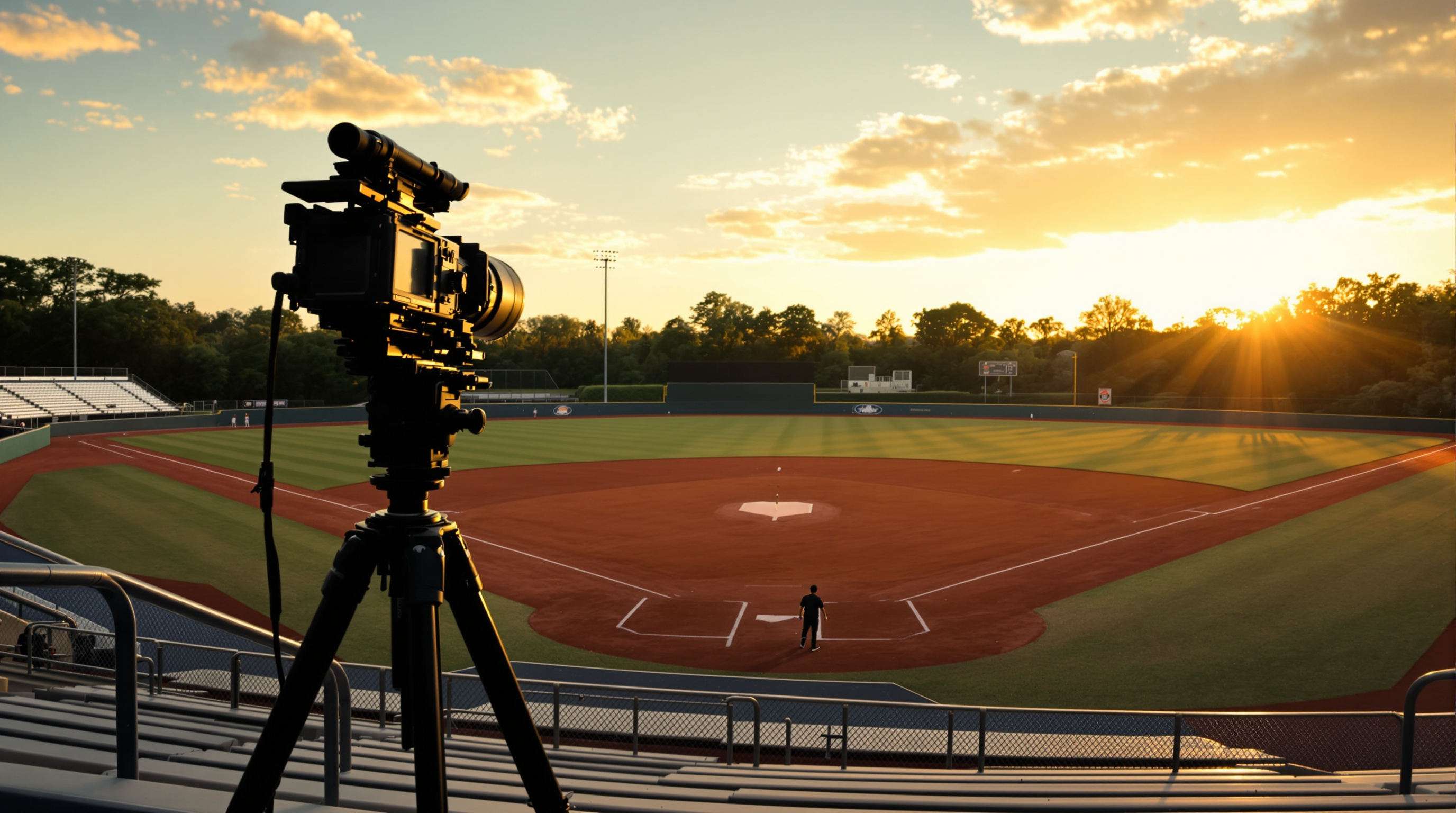
Spring sports just ended. Your school's playoff footage could help athletes get recruited — if you organize it before everyone scatters for summer.
The high school junior who just had her best season of varsity soccer is going to spend the next ten weeks emailing college coaches. The coaches will ask for one thing: video. Not a season recap her dad cut on iMovie. Game film, full reps, two or three good highlight clips, and ideally a link they can forward to assistants.
Your athletic department already filmed most of what she needs. The footage is currently sitting in one of three places:
- a YouTube channel set to "unlisted" with seven viewers
- a Google Drive folder shared with the head coach in 2024 and never reorganized
- a hard drive on the AV booth desk that hasn't been backed up
None of these will help her get recruited. All of them represent real work your school already paid for. Spring sports just ended. You have a narrow window to fix this before everyone scatters.
This is the playbook.
Why the recruiting cycle eats June and July
College coaches at most levels — especially DII, DIII, NAIA, and JUCO, which is where the realistic recruiting math is for most high school athletes — cannot make in-person contact with juniors until specific NCAA-defined dates. Their summer is built around video. They get hundreds of unsolicited emails from athletes asking them to "check out my film." They open about three of every ten.
What makes them open the link:
- It plays instantly. No login, no "request access" wall.
- It's labeled cleanly — name, position, jersey number, graduation year.
- It's hosted somewhere that looks like an institution maintains it, not a personal Dropbox folder.
- There's enough context (full game, not just a 90-second sizzle reel) that they can actually evaluate, not just admire.
The third one is the one schools quietly fail at. A link to "fairfax-central-athletics-yt-unlisted-spring2026" that buffers for eight seconds before asking the coach to sign in tells him the kid's school doesn't have its act together. That's a real signal, fair or not.
What you actually have
Pull up your spring sports footage and inventory it. Most schools find some version of this:
- 8 to 15 full game recordings, mostly single-camera from a tripod
- A pile of phone clips from parents that show up in the booster Facebook group
- A few iMovie season highlights cut by a senior on the broadcast team
- Maybe a championship game with a second angle because someone brought a second camera
That's actually a lot. The problem isn't capture. The problem is everything that happens after capture: where it lives, who can find it, who can share a specific clip without redownloading the whole game.
The five-step summer plan
You can do this in a week with one media teacher and one motivated junior or rising senior on the broadcast team.
1. Centralize. Move every spring-sport video into one location organized by sport, then date, then opponent. The goal is that any coach, parent, or athlete can find a specific game in under thirty seconds. Stop scattering footage across Drive folders, YouTube channels, and assistant coaches' phones.
2. Make games shareable as games — not as files. A 2-hour MP4 download is not shareable. A streaming URL that scrubs to the second half is. This is the single biggest gap between "we have the footage" and "the footage is useful." Whatever platform you pick has to let the athlete link a coach to a specific moment, not a 6 GB download.
3. Cut one good highlight per athlete who asks. Don't try to make recruiting reels for everyone. The athletes who are actively recruiting will tell you. Give them 60 to 90 seconds: 6 to 8 clips, jersey clearly visible, neutral background music or just game audio. That's what the coach is going to watch.
4. Drop a one-page archive index per sport. Title, date, opponent, link. Nothing fancy. The point is that a coach who wants context for a clip can click through to the full game in one step instead of emailing the AD.
5. Decide who owns this in August. Pick a person. Athletic director, broadcast teacher, or a stipended student worker. The system collapses the second nobody owns it. The school district that gets this right has a name on the wall, not a vague "the booster club handles it."
A note on music and ContentID
If you've ever uploaded a game with the national anthem or warmup music to YouTube and gotten a copyright claim or had the audio muted, you already know this problem. It's worse for highlight reels, where coaches and athletes typically want a music track underneath the clips. YouTube and Facebook will pattern-match against any copyrighted song and either mute, demonetize, or block the video, regardless of whether you have a school license or are using the music under educational fair use.
You have a few options. You can use royalty-free libraries (there are decent ones; the music will be forgettable, which is fine). You can post highlights with game audio only, which is what most college coaches actually prefer anyway — they want to hear the contact, the field calls, the bench. Or you can host the archive somewhere that doesn't run automated audio takedowns.
That last one is part of why we built Fluger — schools, churches, conferences, and music venues get a video archive plus a 24/7 channel on a platform that doesn't pattern-match your audio against a music label database. If your spring footage has a halftime band performance with copyrighted music, it survives. The app is branded under your school's name on Roku and iOS, no Apple Developer account required, and parents and recruiters watch on a real TV channel instead of through an unlisted YouTube link.
But the platform choice matters less than the decision to actually run the play. A well-organized Google Drive with smart naming, a clear ownership model, and one consistent highlight workflow will outperform a fancier streaming platform that nobody updates.
The honest part
Most high school athletes won't be recruited at the level they hope for. That's a real thing, and you can't fix it with better video. What you can do is make sure the few who could be recruited at any level don't lose the opportunity because their school made it impossible to share a clip on a Tuesday morning in July.
Spring sports footage has a useful shelf life of about eight weeks. After that, the next class of college coaches has moved on to summer evaluation cycles and the archive is just an archive. Get a process in place this month, or accept that this season's work is going to live in a Drive folder that nobody opens.
If you want to skip the Drive-folder phase and put your spring sports archive on a streaming platform built for institutions instead of individuals — branded under your school's name on Roku and iOS, no Apple Developer account required, 14-day free trial — Fluger is at fluger.tv/registration.