06/24/2026
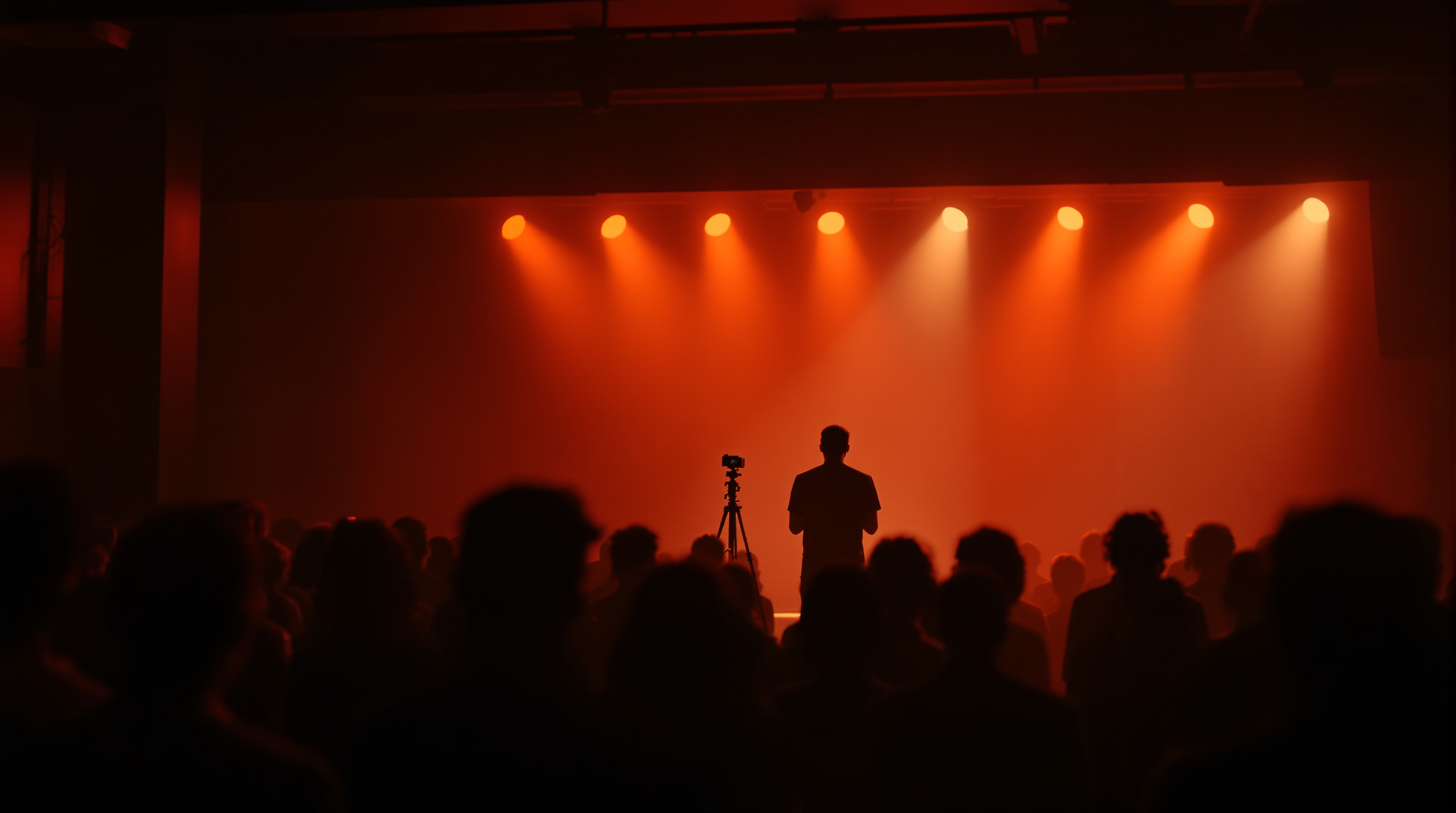
When a venue sells out, hundreds of warm motivated buyers get turned away with zero revenue collected. A $12 livestream pass is found money that does not cannibalize the room.
The most underused asset in independent live music is the list of people who tried to buy a ticket after the show sold out.
Most venues never even compile that list. The ticket page flips to "sold out," the email signups slow down, the box office stops answering DMs about resales. A few hundred warm, motivated buyers — people who specifically wanted to be in your room on that specific night — quietly drift off and go do something else.
This is the single weirdest economic pattern in the whole industry. Demand exceeded supply, and the venue collected zero dollars from the excess demand. Try to think of another business where that is normal.
The fix is older than streaming itself. Sell them the stream.
Why the math is not the same as a regular livestream
The first objection any venue owner will raise: "If I sell a livestream, I cannibalize the room. People will just stay home." That objection is correct for some shows. It is not correct for sold-out ones, and the difference matters.
A non-sold-out show has elastic demand. A $12 stream pass is competing with the $25 ticket plus the babysitter plus the drive downtown. Some marginal in-person buyers will pick the couch. You lose bar revenue, the artist loses merch sales, and the room looks emptier than it should.
A sold-out show is the opposite. The marginal in-person buyer was already turned away. They are not picking between the couch and the venue, because the venue is not an option. The $12 stream pass is competing with literally nothing. Every pass sold is found money — for the venue, the artist, and the production crew who already showed up to work.
The room is already full. The audience that watches at home is incremental, by definition.
What to charge
The pricing range that has settled in across small-venue streams is roughly $10–$18 for a single show pass, with a few outliers on either end. The instinct of a lot of first-time venue operators is to price the stream at the same level as the in-room ticket. That is wrong. The in-room ticket includes the bar, the social experience, the bragging rights, and the chance to talk to the artist after. The stream is a different product. Price it like one.
A useful frame: the stream pass is what a fan pays so they can text the friend who got the ticket and say "I am watching too, save me a song." It is a participation token. Twelve bucks is right for most rooms. Eight if the artist is brand new. Fifteen to eighteen if the headliner is regionally known and the night is special.
If you want to get fancy: a single show pass, plus a "season pass" at a 30 to 40 percent discount that covers every stream from the venue for the year. The single-show buyer is the turned-away fan. The season-pass buyer is the regular, the one who is at four shows a year already and wants the rest archived.
The artist conversation, kept short
A lot of venue owners have not had this conversation before and they overthink it. The cleanest version is short.
Before the show is announced, in the same email where you confirm the date and load-in: "We will be putting a paid livestream behind the show if we sell out. Standard split is 70/30 in your favor on stream revenue, your share is sent within seven days. We will use our own camera setup and broadcast under the venue's name. You retain all rights to the recording and can release it however you want after a 30-day exclusive window. Sign here, or tell us if you would rather not."
The artists who say no are usually contractually unable to say yes because their label has streaming rights tied up. That is fine, you find that out before you build the night around a stream. Most touring acts at the 200-to-600-cap level will say yes immediately, because their alternative on a sold-out night is exactly zero new revenue from people who could not get in.
The thing that almost always breaks the plan
It is not the cameras. It is not the contracts. It is the platform you put the stream on.
The default move is to throw it on YouTube Live or Facebook Live and call it a day. That works on Tuesday night with an acoustic set and a singer-songwriter. It does not work on Saturday when a touring rock band plays a 90-minute set that includes one cover and a snippet of someone else's song between two of their own tracks. The automated copyright systems on those platforms will mute audio mid-song, sometimes the entire back half of the set. Your paying viewers — the ones who could not get a ticket — will watch a silent guitar solo, then ask for their money back.
This is the single biggest reason small venues do this once, get burned, and never try again.
The way around it is to host the stream somewhere that does not run automated ContentID muting. That means either rolling your own player on your own site (a real engineering project for most venues), or using a platform built for branded live streaming that does not apply content-ID style takedowns to your audio. This is exactly the gap Fluger fills — branded streaming apps and TV channels under your venue's own name, with no ContentID muting on the audio, no Apple Developer account required to ship the app, and a 14-day free trial at fluger.tv/registration. The structural point holds either way: pick a platform that will not mute your headliner's set.
What to do with the recording after Saturday night
The stream pass buys access to the live broadcast. After the show, you have a clean recording of a sold-out night with a band the venue's audience clearly wanted. This is the thing most venues delete or shove on a hard drive that nobody opens again.
Two things to do with it instead.
First, hand the artist a copy. Not a 90-minute master file they have to re-edit. The 90-minute master, plus three or four pre-cut individual songs, plus a 30-second highlight clip for social. They will share those clips. Every time they do, the venue's name is in the lower-third or the player chrome, and you are top-of-mind for the next booking.
Second, archive the show into a venue-branded library. A regular fan who comes to four shows a year will pay $60 to $80 a year to have on-demand access to every show that has happened at your room since you started recording. That is not a guess, it is what the season-pass-style products on independent platforms have been clearing for the last 18 months. The library is the asset. The single-show stream is the acquisition channel for it.
The week to start is the next time something sells out
If your next show is going to sell out, you already know which one. Run the experiment on that show. Charge $12. Use whatever camera setup you have, even if it is a single locked-off wide and a board feed for audio. Email the people who tried to buy a ticket and got the "sold out" screen.
You will not get rich on the first attempt. You will, almost certainly, sell at least 40 stream passes. Those 40 people will tell their friends about the next one. By the third sold-out show, the stream is paying for itself and the recording is going into the library.
The audience is already there. They tried to give you money once. Let them try again.