08/10/2026
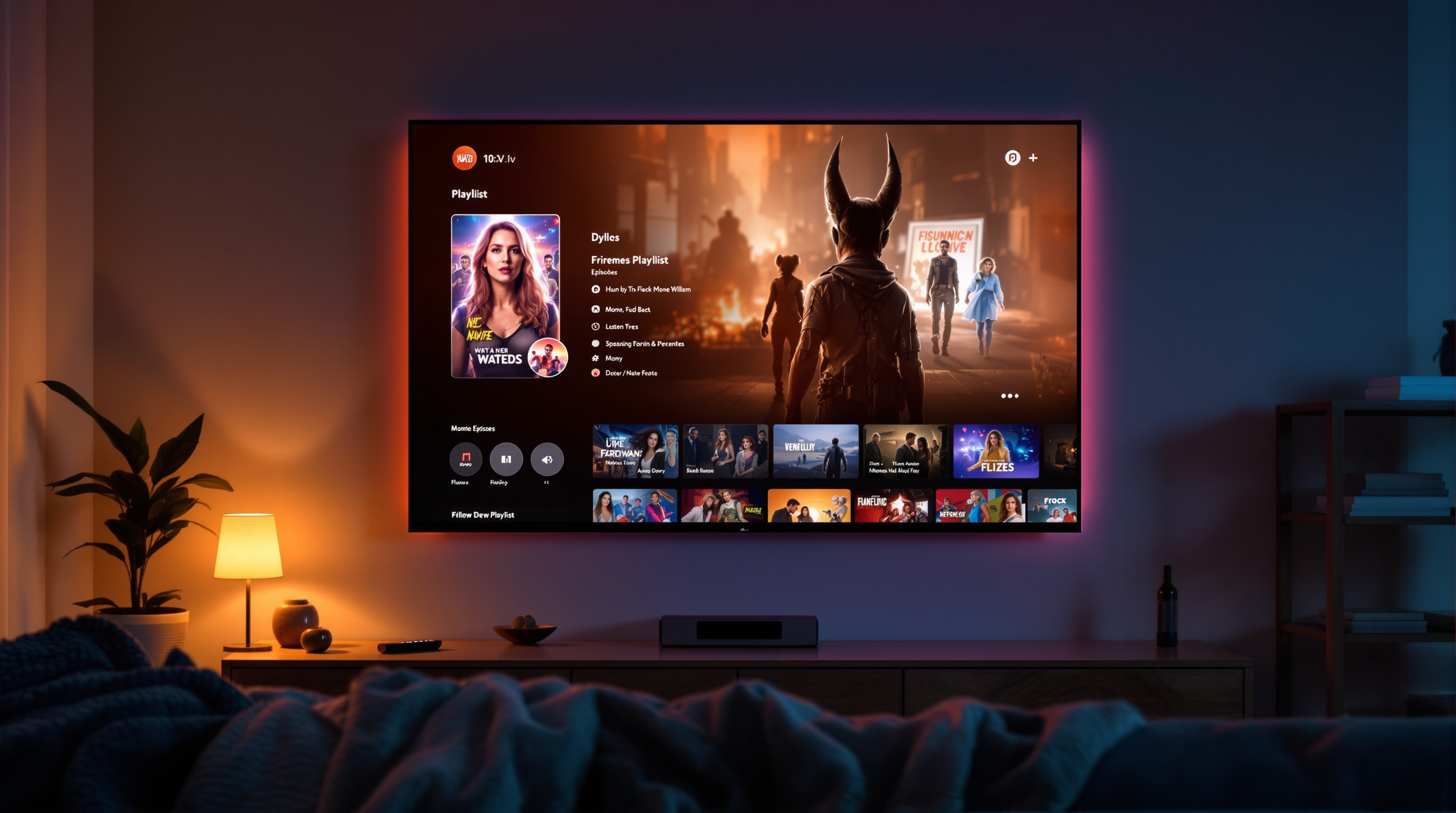
Standalone videos send viewers to your competitors. A well-structured content series keeps them on your channel for hours — and brings them back for more.
Your Viewers Watched One Video and Left. A Content Series Would Have Kept Them for Hours.
You put out a great video. Someone discovers it, watches it all the way through, maybe even clicks your channel. Then they look around, see a collection of unrelated standalone videos, and leave.
Not because your content was bad. Because there was nowhere obvious to go next.
This is one of the most common and costly mistakes streaming channel creators make: building a library instead of building a journey.
Why Series Beat Standalone Videos Every Time
Netflix, HBO, YouTube — every major platform knows the same truth: episodic content is the most powerful driver of watch time and return visits. When a viewer finishes one episode and the next one auto-plays (or is clearly signposted), they stay. When they finish a standalone video and see 20 unrelated thumbnails, they leave.
A content series does three things that standalone videos cannot:
It creates momentum. Viewers who commit to episode one are psychologically primed to watch episode two. That initial investment — even ten minutes — creates a pull effect. Finishing a series feels satisfying. Abandoning one feels like giving up.
It builds anticipation between uploads. A standalone video is consumed and forgotten. A series episode is consumed, remembered, and waited for. Viewers come back to your channel on their own because they want to know what happens next — or what you cover next.
It trains the algorithm. Platforms surface content to users who are likely to watch multiple pieces in one session. A viewer who binge-watches three episodes of your series in a row sends a very strong signal. That signal gets rewarded with more recommendations.
How to Structure Your First Series
You do not need to plan 20 episodes before you start. Here is a framework that works:
Choose a clear through-line. Every episode should answer a related question or advance a connected topic. "How to grow a YouTube channel" is not a series. "Building from zero to 1,000 subscribers in 90 days — week by week" is a series. The through-line gives viewers a reason to follow the arc, not just the individual episode.
Name it deliberately. The series name should appear in every episode title and thumbnail. Think of it like a TV show title. Viewers remember the series name before they remember your channel name. Make it work for you.
End each episode with a lead-in to the next. The last thirty seconds of every episode should tell viewers exactly what is coming next and why they should not miss it. This does not need to be a cliffhanger — it just needs to be a clear reason to stay subscribed.
Batch your production. If you can record three or four episodes before releasing the first, you give yourself a publishing buffer and consistent release cadence. Viewers who discover your series midway can binge multiple episodes immediately — which dramatically boosts session depth and watch time metrics.
Fluger Makes Series Native
On Fluger, you can organize your content into playlists and series that appear as their own collections on your channel. Viewers browsing your channel see a clear, structured lineup — not a wall of thumbnails they have to decode.
You can set a series to auto-advance, so the next episode begins automatically when one ends. You control the order, the pacing, and the presentation. Your channel behaves less like a video dump and more like an actual network with scheduled programming.
If you have existing standalone videos that share a common theme, you can group them retroactively into a series right now. Reframe them with a series name, reorder them in a logical sequence, and update your episode titles to reflect the arc. You will likely see an immediate lift in average session duration.
Start With One
You do not need to rebuild your entire channel. Pick one topic you have covered repeatedly — or plan to cover — and shape it into a series. Give it a name. Commit to five episodes. Publish the first one this week.
That one series will likely outperform every standalone video you have published because it keeps people watching instead of browsing.
Your next viewer is going to land on episode one. Give them a reason to stay for episode five.
Ready to turn your content into a series? Start your Fluger channel today and give your viewers somewhere to go.