07/19/2026
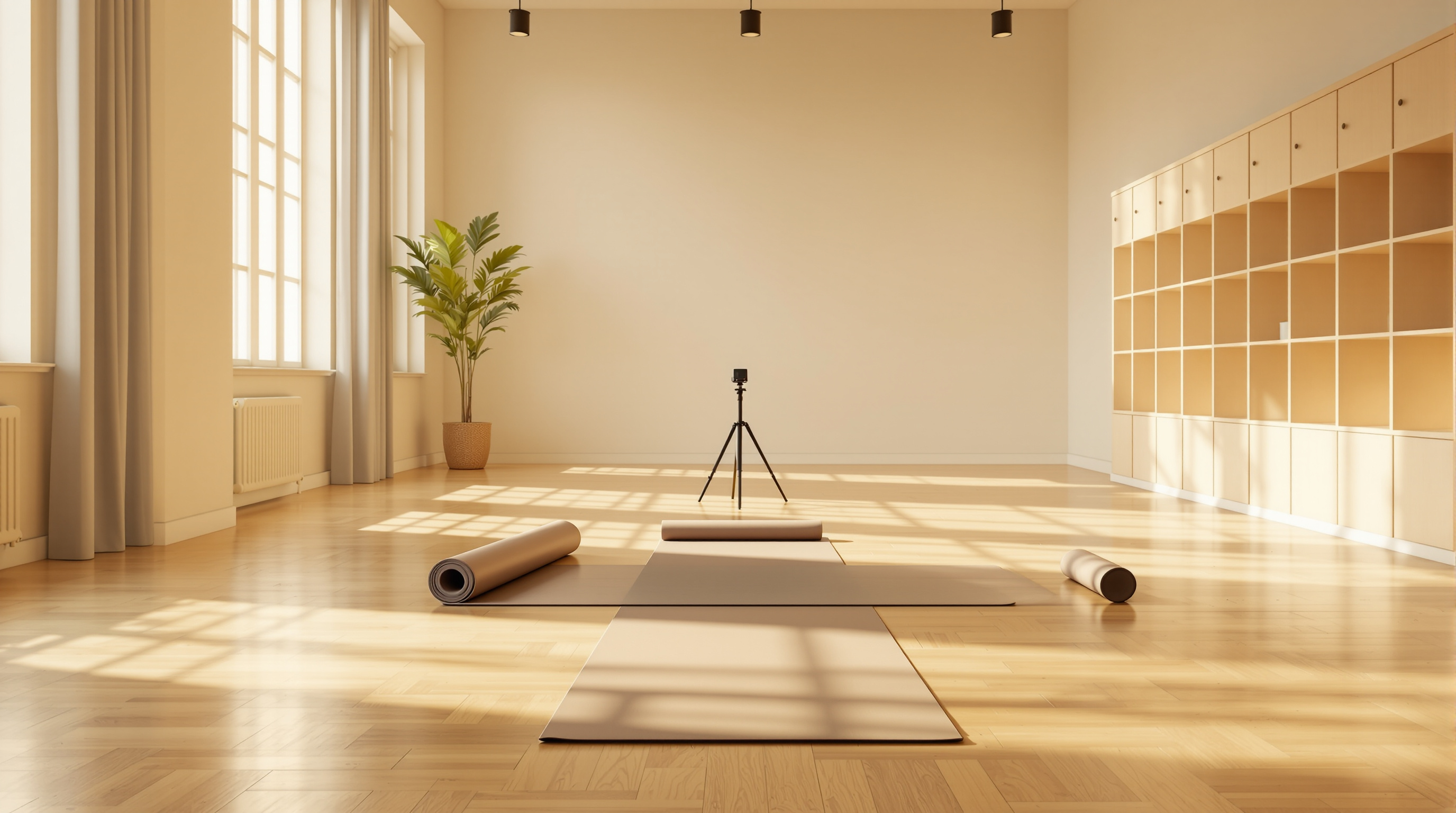
Studios cancel classes at three or four attendees. But those exact niche formats - senior mobility, prenatal, 6am HIIT, beginner barre - often outperform on-demand. Record before you cancel.
Every studio has the same conversation about once a quarter. A class is running at three or four attendees for a stretch of weeks. The instructor gets moved to a different slot, the class comes off the schedule, and the studio owner tells themselves the honest thing - the math doesn't work at that price and that overhead.
Then, if the studio has any on-demand library at all, the exact same class format quietly outperforms half of what's still on the schedule.
The 6am HIIT class you cut because you couldn't fill it in person is what someone actually watches at 11pm on a Tuesday. The senior mobility class the four regulars cried about losing is exactly what a 62-year-old post-knee-replacement wants at home. Prenatal Pilates, the postpartum recovery series, the beginner barre class you rescheduled because Sunday morning wasn't working - every one of them has a bigger audience on-demand than your Wednesday power yoga.
Studios cut the class before it can find the audience that wanted it in the first place.
In-studio attendance and VOD demand measure different things
Class attendance is a function of about six variables that have nothing to do with whether people want the workout: the time slot, the parking, the weather, whether the class competes with soccer practice or the church potluck, whether the instructor is well-liked in the neighborhood, whether the person who normally fills that slot has small kids.
VOD demand strips almost all of that out. What's left is the workout itself - the format, the length, the specific style, the exact instructor. When you look at watch data at the format level, the classes that flopped in person are frequently the ones that overperform on demand.
Peloton figured this out early. Their most-consumed content isn't the peak-time popular formats. It's the 20-minute recovery ride, the low-impact walk, the 10-minute post-run stretch, the pregnancy series. Formats that would never survive at a boutique studio's 5:30pm slot are Peloton's retention machinery.
The classes you cut have a clean reason to exist on demand
The failure mode for on-demand libraries is that they get built from broadcast leftovers - whatever the studio was already producing for live classes, dumped into VOD without editing or curation. Everybody has been to a studio VOD page with 47 classes labeled "Vinyasa Flow" and no reason to pick any of them.
When you record a class specifically because you canceled the in-person version, you get the opposite. A single, specific niche in the library, priced right, that answers a specific need.
"Senior mobility, 25 minutes, seated and standing."
"Postpartum core, first six weeks."
"Beginner barre, no ballet background required."
"Morning mobility for tight shoulders, 15 minutes."
Those descriptions are specific enough to compete on Google. Specific enough that a member scanning your app knows within four seconds whether it's for them. And there are enough of them at your studio - real formats a real instructor already knows how to teach - to fill a library that isn't just live-class leftovers.
A simple rule: record before you cancel
Studios that already run any on-demand tier should install one rule. Before any class comes off the schedule, record it three more times with an instructor who is comfortable being taped. Not a production shoot - one camera on a tripod, a lav or shotgun mic on the instructor, decent lighting. Two hours of recording turns into six to nine VOD entries at whatever your typical class length is.
If the class truly had no audience, the recordings sit at the bottom of watch charts and you learn that. Cheaply. If they perform, you now have permanent content for a format that costs you nothing in ongoing schedule real estate.
The instructor who lost the slot gets a small revenue share on VOD watches, which softens the conversation about why their class got cut. The regulars who miss the class get a place to still take it. You still cut the in-person class - nobody is arguing with the math on that - but you cut it with the ceiling higher than zero.
The rights question is simpler on your own channel
There's one wrinkle that trips up studios trying this on YouTube or Facebook. Half of workout classes get taught to copyrighted music. YouTube's ContentID flags or mutes those recordings automatically. The pop playlist your instructor spent three years dialing in - the reason people liked the class - gets stripped by the platform before anyone hears it.
A branded app on your own channel doesn't have that filter. If you have music-licensing coverage through your ASCAP or BMI performance license, or through a fitness-specific library like Fit Radio, GymCast, or Beatstream, you retain the class as it was actually taught. Studios that publish through Fluger get a channel under their own studio name on Roku and iOS with no Apple Developer account required, and no ContentID stripping the audio out. That last part matters more for fitness content than almost any other vertical.
The bigger implication: you don't have to swap out the music the instructor spent three years dialing in.
Discovery is a real problem. It's not the reason members quit.
Studios worried about VOD retention often blame discovery - members open the app, see 200 classes, freeze, log out. That is real, and it is a solvable UX problem. But it isn't the deepest reason a home member cancels.
Home members cancel because the library doesn't have a class that matches their specific situation on a specific day. Postpartum week 8. Injured left knee. First trimester nausea. Wanting a 15-minute finisher after a treadmill run. Sixty-eight years old and worried about balance.
Adding more general classes to the library doesn't fix that. Adding specific ones does. The classes you were about to cancel are almost always specific.
The move
Look at the next class on your schedule that's running under-attended. Before it comes off the calendar, record it three times, back-to-back, with an instructor you trust on camera. Then cut it. Put the recordings in your on-demand library with descriptions that name the exact situation each one is for. See what watches.
If the format works on demand, it earns a permanent spot in the library. If it doesn't, you're back where you were - one class off the schedule, one small experiment run, no cost beyond a few hours of instructor time.
If you want to try this on a studio-branded app your members recognize on their phone and TV, Fluger runs the whole stack: a channel under your studio name on Roku and iOS, VOD library, live streaming, and a 14-day free trial at fluger.tv/registration. No Apple Developer account, no ContentID muting your instructors' playlists, and no split-brain between "the studio" and "the app."